The Differences Between Affiliate Marketing And The Revenue Share Model

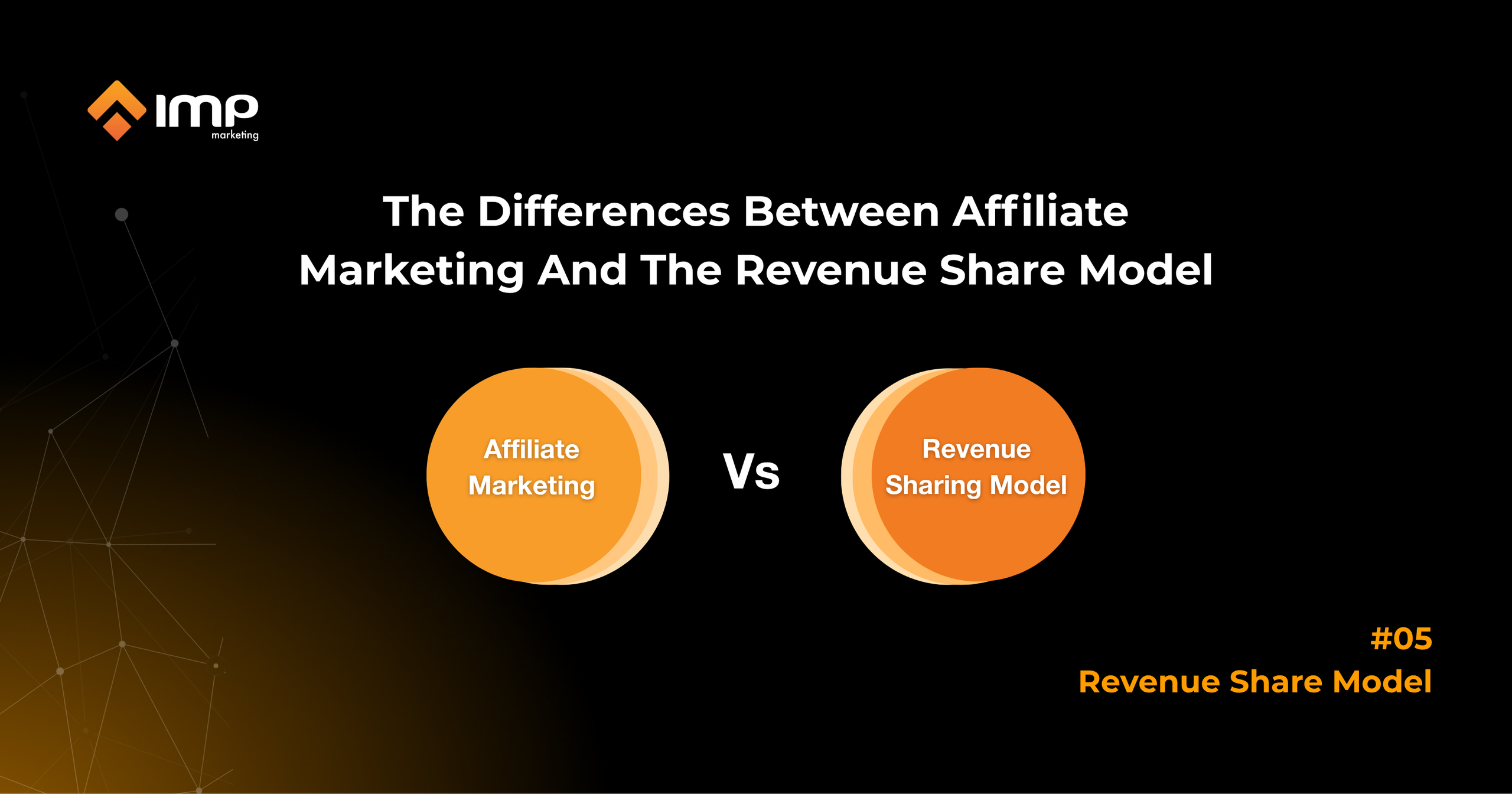
At first glance, these two models might seem quite similar: money only gets shared when there’s a result. With Affiliate Marketing, the person who drives the sale earns a commission, usually a percentage that varies by company or industry. In a revenue share model, once revenue is generated, the business splits a portion with its partner, someone who actively contributes to achieving that result.
This “pay when there’s revenue” setup makes both models attractive. It helps lower fixed costs, share risks, and boost chances of success.
But once we look deeper into how each model is executed and the level of commitment involved, it becomes clear they are very different.
1. How They Work
Affiliate marketing is a “plug & play” deal. The brand provides codes, links, content, or banners, and affiliates use their own strengths and audiences to get the word out. It’s a great way to quickly expand reach without needing deep coordination between the two parties.
Revenue sharing, on the other hand, is a strategic partnership. Both sides collaborate closely, from planning and ideation to execution, testing, and optimization. It’s not just about generating sales; it’s about working together to uncover and maximize long-term growth opportunities.
This often involves a cross-functional team including ad specialists, content creators, designers, data analysts, and more. Instead of handling a single piece of the puzzle, the partner becomes deeply involved in the business, helping to improve and scale revenue continuously.
2. Level of Commitment
Affiliate relationships are usually transactional: deliver a sale, receive payment. Affiliates can promote multiple brands at once and switch if something isn’t working. Since there’s no long-term strategic or operational commitment, the relationship tends to be short-term and flexible.
Revenue sharing requires a much deeper level of commitment. It’s a long-term partnership built on shared goals, mutual accountability, and a joint effort to build something sustainable. These partners aren’t on the sidelines; they act as an extension of the client’s team. When revenue goes up, both sides benefit. When things fall short, both sides sit down together to troubleshoot and adapt.
So, if the goal is to grow quickly without long-term ties, Affiliate Marketing may be the right option. But if the goal is to find a strategic partner, a revenue share marketing agency, one that co-owns the process, shares the risk, and grows alongside the business, revenue sharing is the stronger choice.
In fact, in some cases, eCommerce growth partners even suggest running affiliate campaigns as a supporting channel to drive extra sales.
Curious whether a pay-per-performance model makes sense for your market or industry? Stay tuned for the next post in this series.