Product Bundling Case Study: How We Turned the Bundle Into Nearly 3x AOV (Part 2)
This product bundling case study shows how a better bundle offer and buying journey helped increase AOV to nearly 3x.
Read more »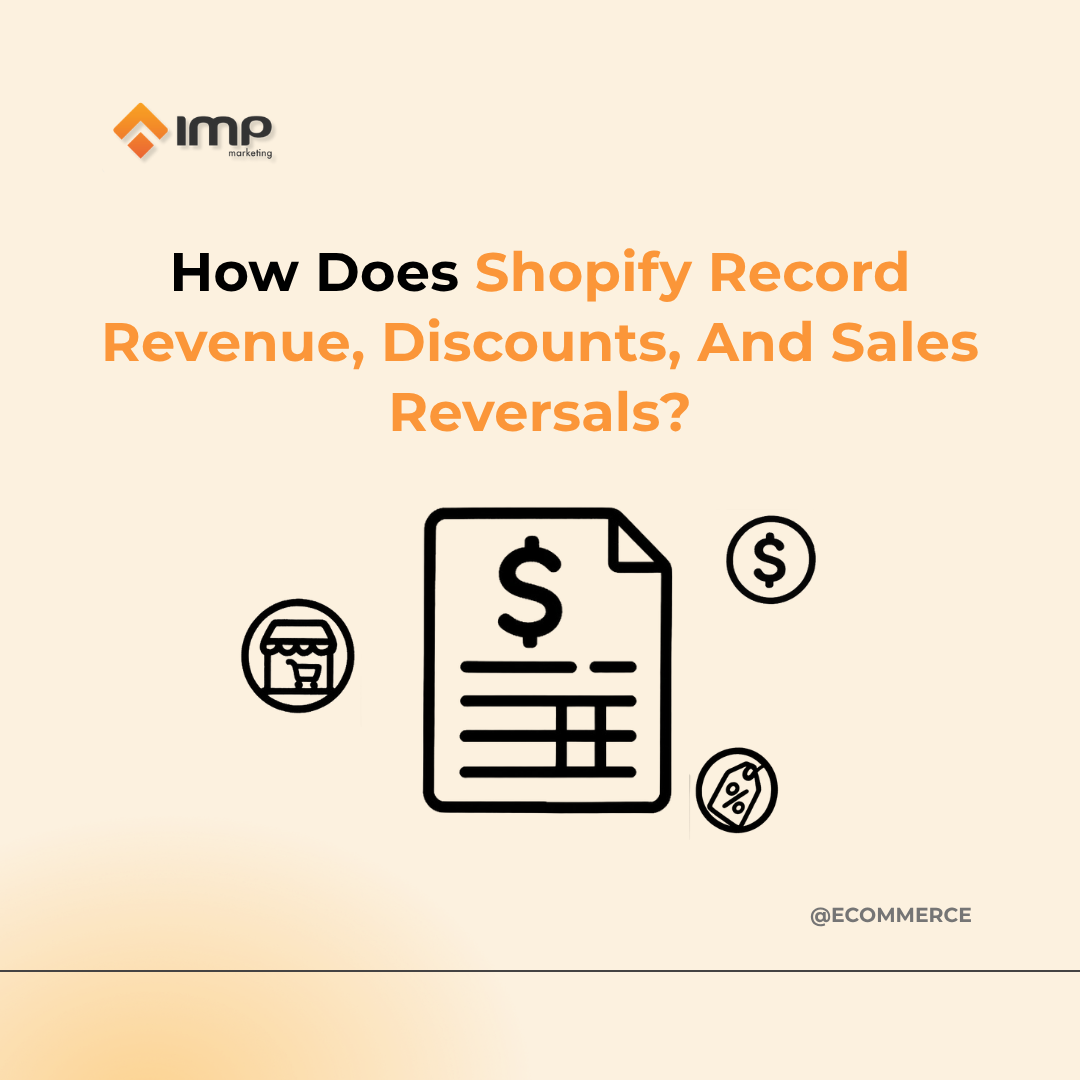
Shopify records sales, discounts, returns, and Net Sales separately, making revenue reporting easier to understand and reconcile.
Amazon refund timing can change monthly revenue reports because refunds may be recorded after the original sale. Clear reporting rules help avoid confusion.
Discover how eCommerce brands can evaluate a growth marketing partner based on expertise, transparency, collaboration, and proven client experience.
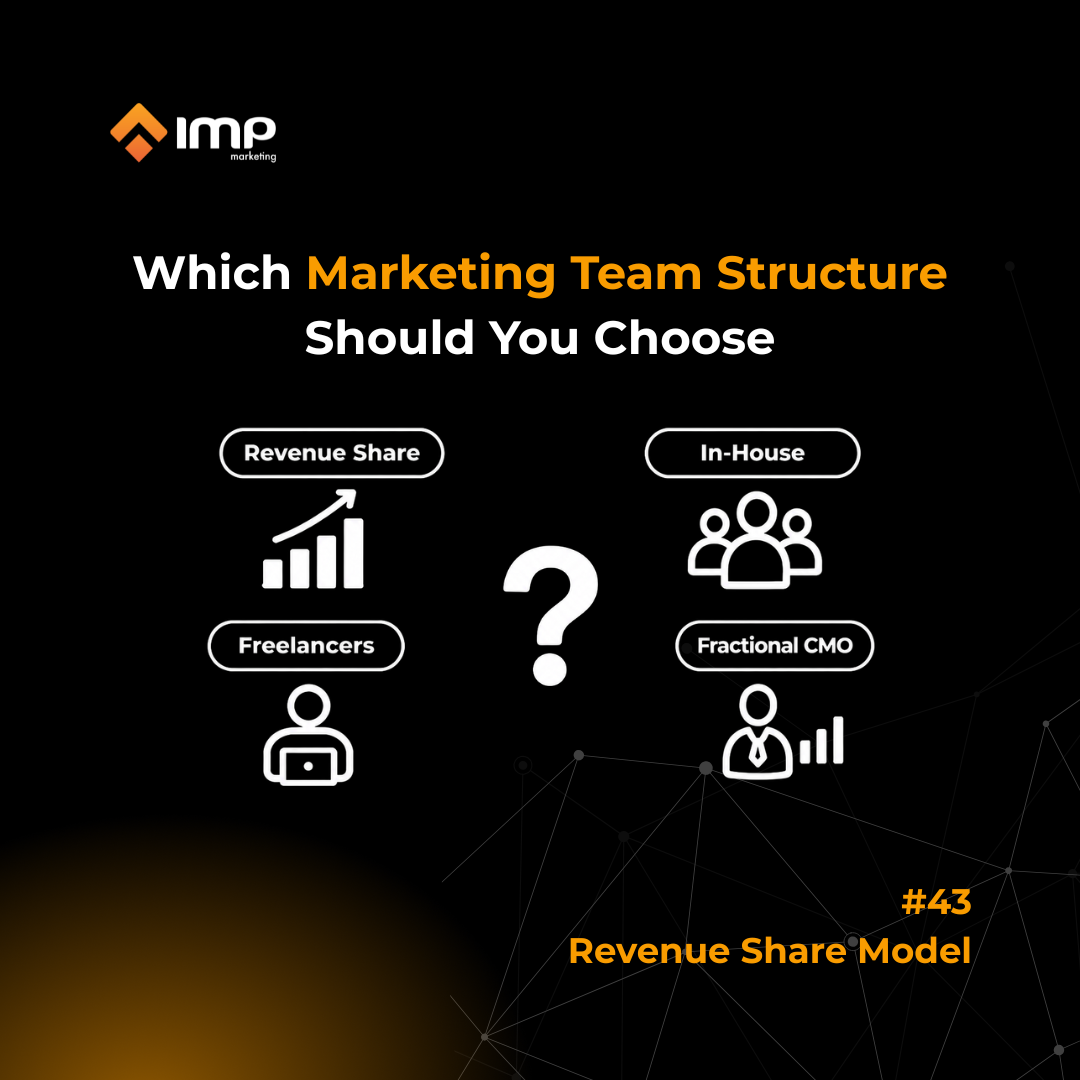
Compare revenue share agencies, in-house teams, freelancers, Fractional CMOs, and retainer agencies to see how each marketing structure works.
Hidden fees in a revenue share partnership may include ad spend, software, extra work, and termination costs that should be clear before signing.
Revenue share marketing agency red flags include weak reporting and unrealistic promises, while green flags show transparency, expertise, and alignment.
Marketing agency pricing models vary in cost, risk, and incentives. Compare 6 common structures to understand how each one works.
A professional revenue share partnership includes a structured transition, clear ownership, and a proper handover when the relationship ends.
Klaviyo helps eCommerce brands automate customer journeys, personalize communication, and generate more revenue from customer data.

Pay-per-performance marketing models tie agency fees to measurable results. The right model depends on your business goals, stage, and performance metrics.

This product bundling case study shows how a better bundle offer and buying journey helped increase AOV to nearly 3x.
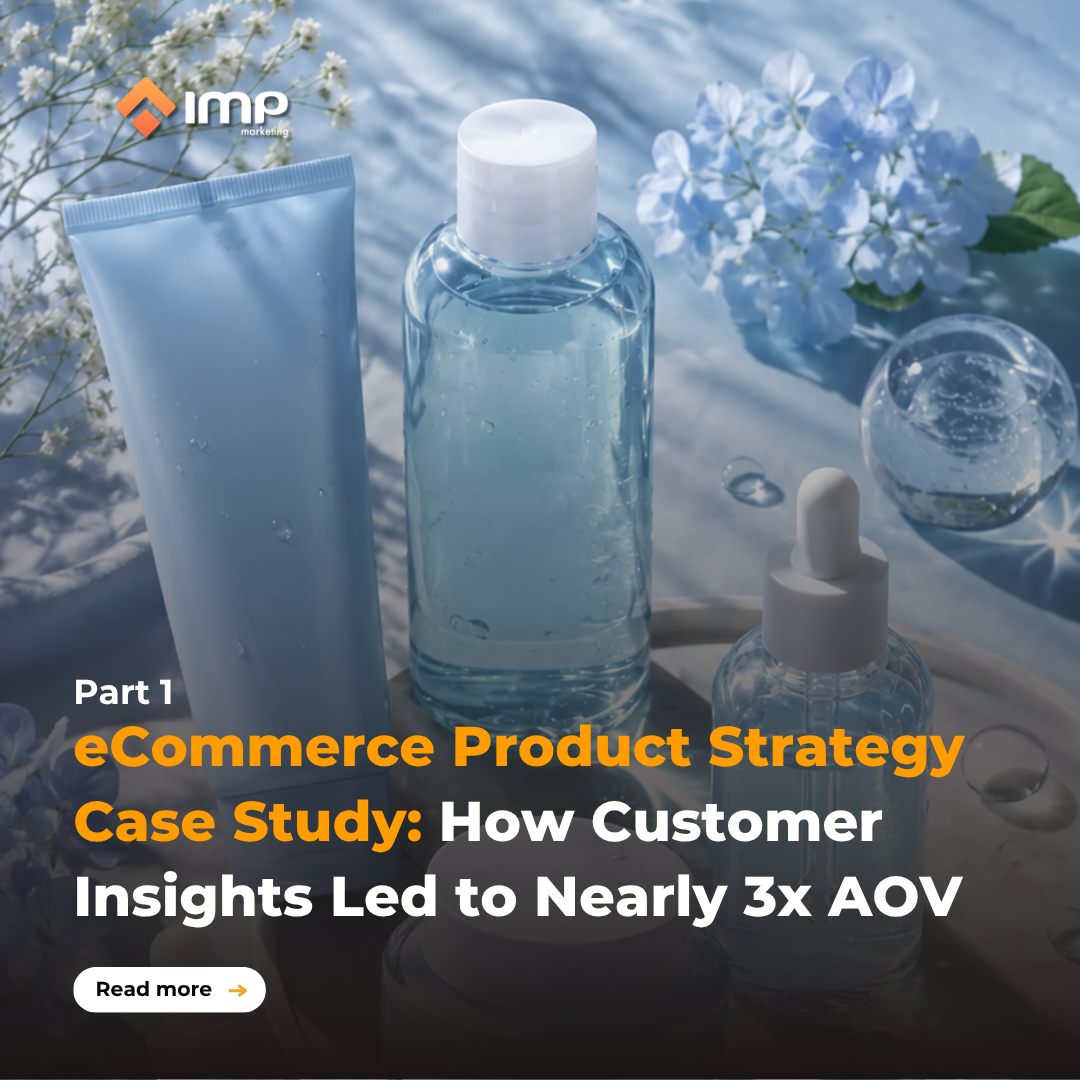
An eCommerce product strategy based on customer insights, product selection, and pricing helped a beauty brand increase AOV to nearly 3x.
Meta Ads optimization helped a beauty brand increase ROAS by 187% and reduce CPA by 66% through better creative and post-click improvements.
A new branded sending domain was warmed gradually after rebranding, helping stabilize deliverability, reduce bounce rate, and simplify sender management.
Clear eCommerce trust signals helped reduce checkout abandonment by giving shoppers better visibility into business details, fulfillment, and delivery.
Seasonal eCommerce homepage design helped a cookware brand create a more relevant holiday experience and increase conversion rate 3.3x.

A Shopify collection page can make a small catalog feel more complete with better product presentation, bundles, reviews, videos, and brand context.
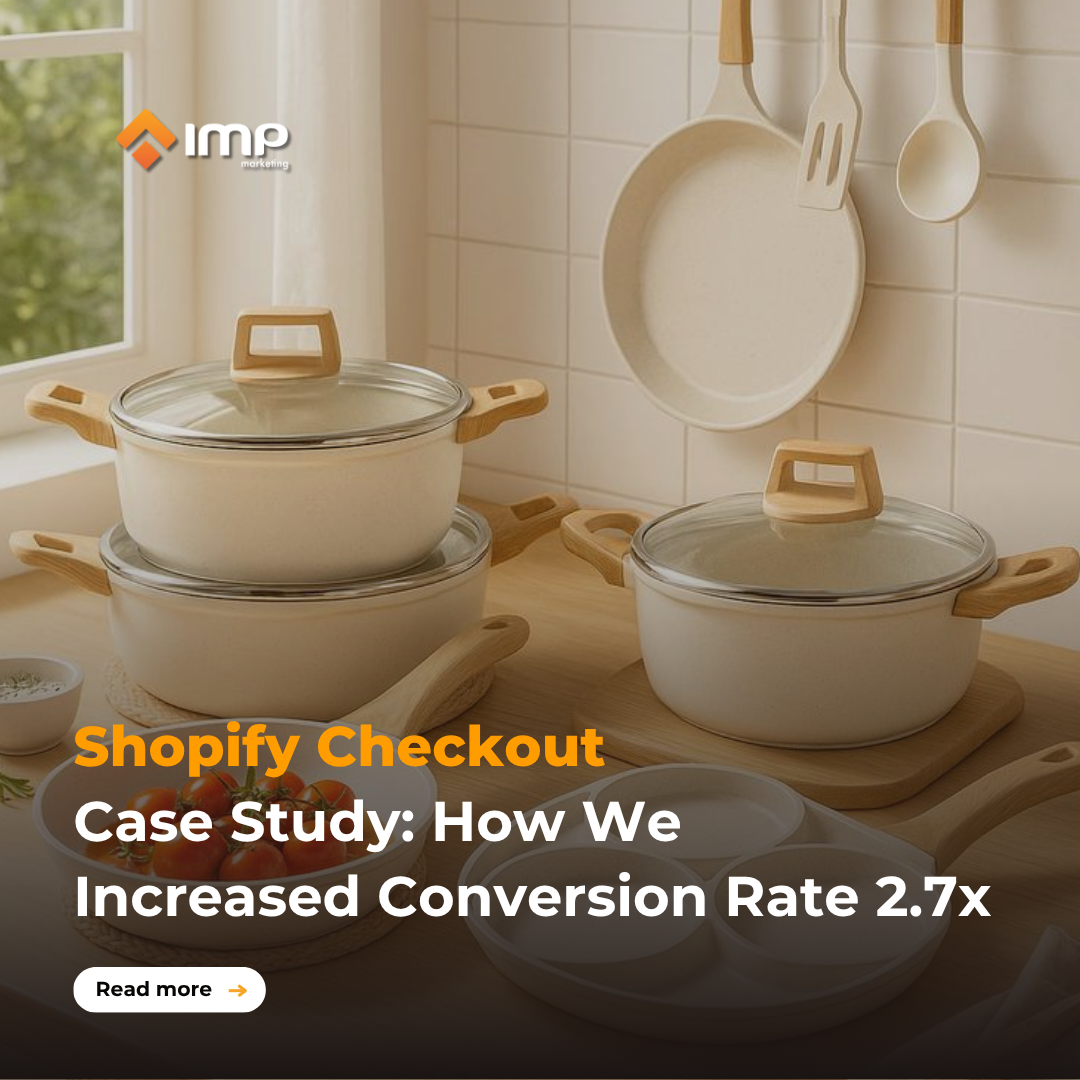
A Shopify checkout payment barrier was limiting conversions. Fixing the payment experience helped increase conversion rate 2.7x.
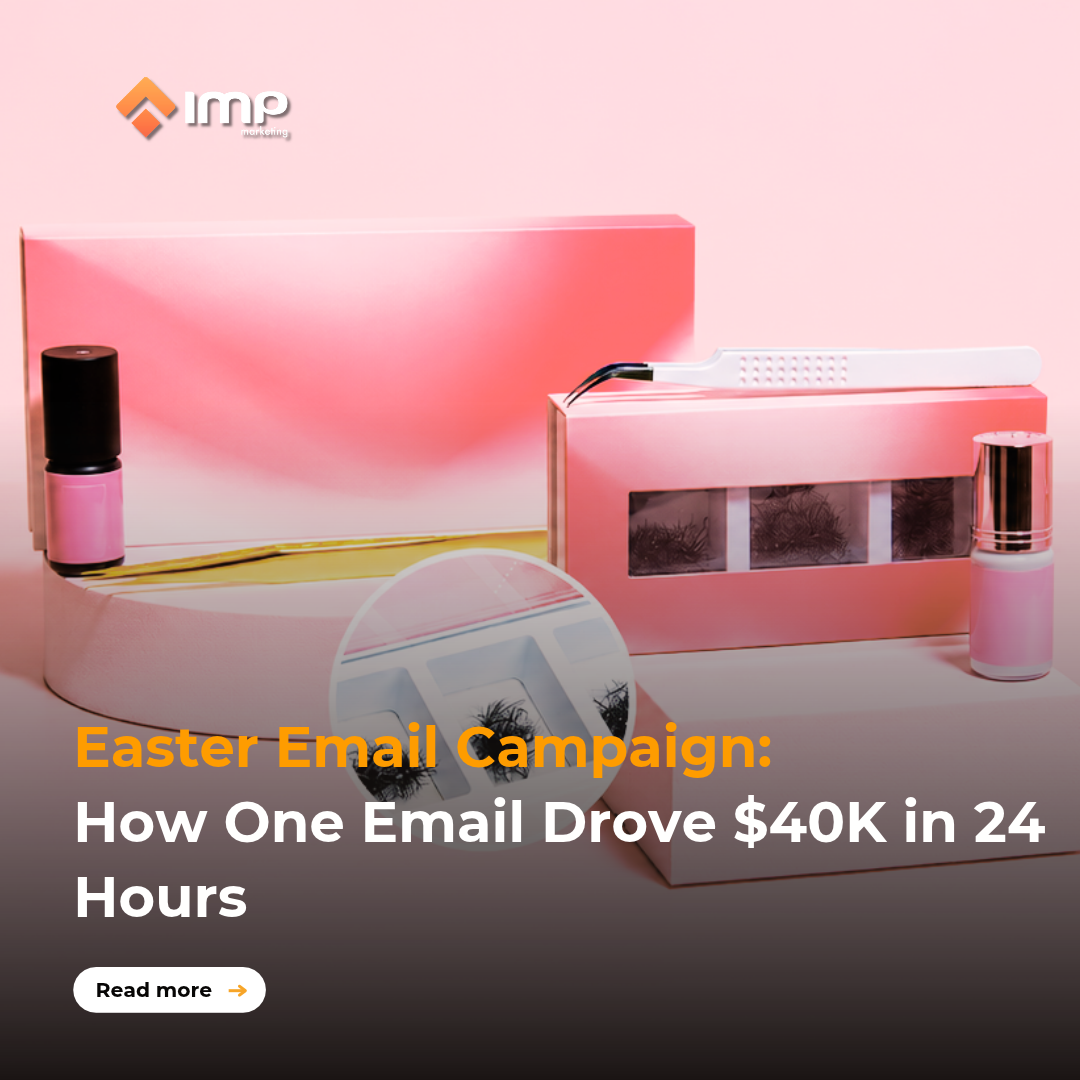
This Easter email campaign generated $40K in 24 hours by using a one-day offer, clear urgency, and a strong deadline.
Email marketing optimization helped a cosmetics brand increase open rate to 44.81% by improving list quality, relevance, and send timing.