Email Marketing Optimization: How We Increased Open Rate to 44.81%


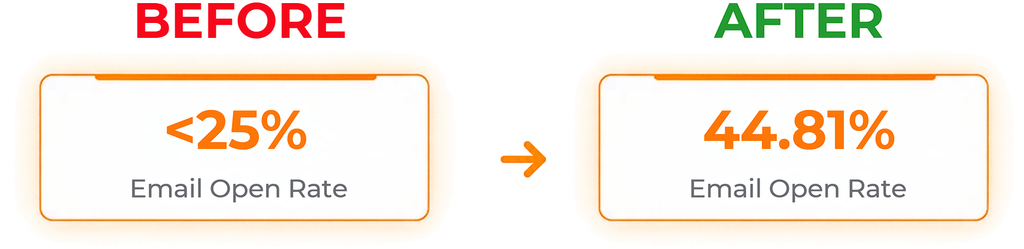
Email marketing optimization took a cosmetics brand’s email open rate from under 25% to 44.81%. The reason for this change was that, although the brand had been sending emails for years, there was no system behind them. This article will show you how we optimized email marketing and how you can use the same simple 5-step strategy for your store.
The Context & Challenge: What email marketing optimization challenge did the cosmetics brand face?
Email marketing had been part of the brand’s routine for years. The brand sells to customers aged 25 to 40. Its goal for email was to keep existing customers coming back.
However, the effort wasn’t paying off. Before we started, the brand’s email open rate was below 25%. Through our email marketing optimization review, we found four problems behind that number:
- Unclean email list: the list included invalid, inactive, and mistyped addresses.
- No segmentation: everyone got the same emails, whatever they bought or how they behaved.
- Generic subject lines: nothing in the subject line was personal to the reader.
- Unplanned send times: emails went out when unsuitable for their customers.
The Solution: How did IMP Marketing optimize the brand’s email marketing?
We optimized the brand’s email marketing in four steps by cleaning the customer email list, personalizing email subject lines, A/B testing email subject lines, and adjusting the email send time. The approach follows best practices from Klaviyo, a leading email marketing automation platform built for eCommerce brands, which recommends sending campaigns to targeted segments.
1. Clean and segment the customer email list
First, we made sure the brand was emailing real people. We removed invalid, inactive, and mistyped addresses before each campaign. Then we segmented customers based on:
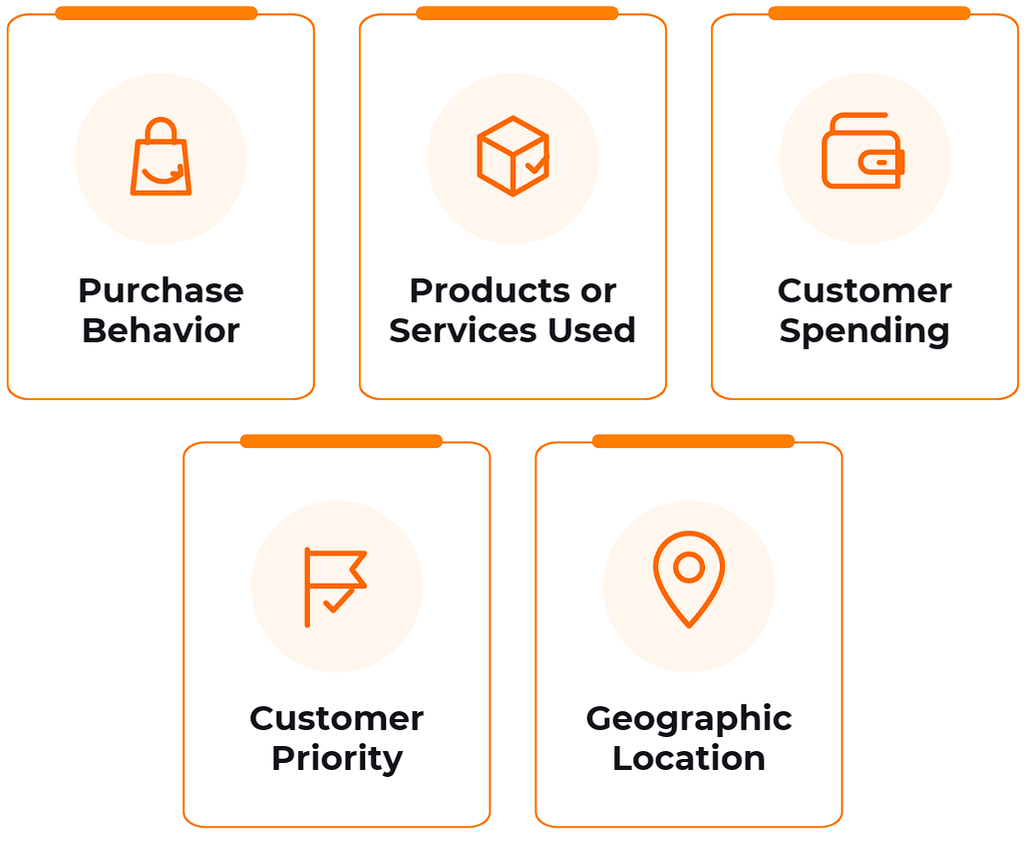
Why does customer segmentation matter?
Segmentation mattered because customers respond better to personalized emails. For example, a young woman who buys skincare every month expects the brand to know that, so a skincare tip or a refill offer feels more relevant, while a promotion for men’s perfume (that she never buys) feels random!
2. Personalize the email subject lines
After cleaning the list, we added each customer’s first name and the right form of address to the subject line and the email itself. According to Klaviyo, 47% of recipients decide whether to open an email based on the subject line. Therefore, adding a name looks like a small change, but the subject line is where customers decide whether to open an email at all.
3. A/B test the subject lines
To increase the email open rate, we also used A/B testing by writing several subject lines and sending them to a small sample of each segment, with the email content exactly the same. The version with the most opens then went to the rest of that segment.
4. Adjust the send time
Our open-time tracking showed that the brand’s customers opened emails most often around 8:00 AM (GMT+7), so we moved the sending schedule to that time. Emails sent at 8:00 AM reached the top of the inbox right when customers were checking it.
The Result: What did IMP’s email marketing optimization program deliver?
IMP’s email marketing optimization program raised the brand’s open rate from under 25% to 44.81%. This means nearly half of the customers in the brand’s database now open its emails. The result is also higher than the top of the 20-40% open rate range that Shopify gives as a general target.

For the business, more opens mean more existing customers see each offer, and the brand doesn’t pay for any extra ads to reach them. Getting past customers to buy again is one of the most cost-effective ways an online store can grow sales.
The Lesson: What email marketing optimization strategy can eCommerce brands apply?
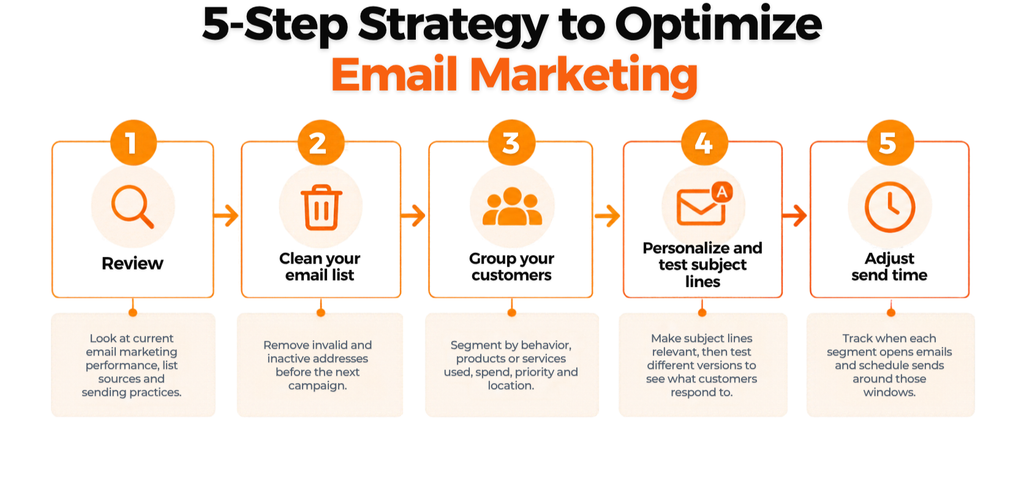
The main email marketing lesson from this case is that email open rates go up when you improve customer list quality, relevance, and timing. You can use the same process in five steps: review your current email performance, clean your email list, group your customers, personalize and test your subject lines, and adjust your send times.
Want to find out where your email marketing is losing opens and sales? Contact IMP Marketing for an email marketing audit.
Quick Case Study FAQ
What is a good email open rate for a cosmetics brand?
A good email open rate for a cosmetics brand is one that beats both your own past campaigns and the benchmark for your email platform. Klaviyo's 2026 benchmarks put the average campaign open rate at 31%, and Shopify suggests eCommerce brands aim for 20% to 40%. Benchmarks change by platform and by year, so your own history is usually the more useful comparison.
How many subject lines should you A/B test?
Two subject lines are enough to start. Send both versions, with the same email content, to two small groups of the same size, then send the winner to everyone else. Only change the subject line, so you know exactly what made the difference.
How often should you clean an email list?
Clean your email list before you send to old or inactive contacts, after you import new contacts, and on a regular schedule for your active list. Cleaning keeps your bounce rate low and protects your sender reputation. If your bounce rate starts climbing, clean your list sooner.
Is open rate still a reliable email marketing metric in 2026?
Open rate is still useful, but it's less precise than it used to be. Since 2021, Apple Mail Privacy Protection has counted some emails as opened automatically, which pushes reported open rates up. Use open rate to compare subject lines and segments, and check it alongside clicks and sales.
What should you track besides email open rate?
Track click rate, conversion rate, revenue per email, bounce rate and unsubscribe rate. Click and conversion rates tell you whether opened emails lead to sales. Bounce and unsubscribe rates tell you whether your list is healthy and whether your content fits each group.